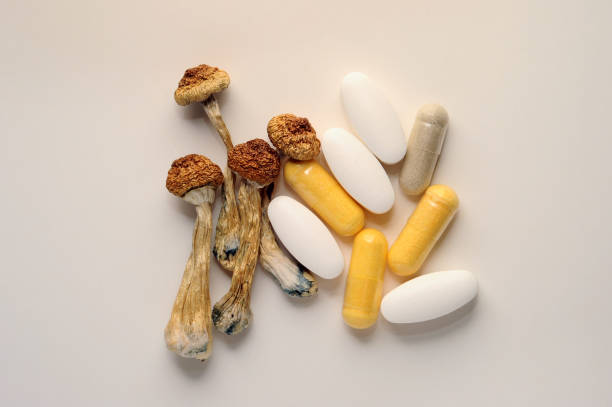
Many people struggle with finding new ideas or solving complex problems. Research has shown that microdosing magic mushrooms can boost creativity and problem-solving skills. This article explores how small doses of psychedelics like psilocybin could enhance cognitive function and imagination.
The Link Between Psychedelics and Creativity
Psychedelics often spark creativity in artists and thinkers. Studies show that these substances can enhance imaginative thinking and problem-solving abilities Order Magic Mushrooms.
Historical Studies
Historical studies show that psychedelics can enhance creativity. Researchers in the 1960s explored how LSD influenced artistic expression. Many artists and musicians reported breakthroughs while using mind-altering substances. They experienced heightened senses, which sparked their imagination.
In the late 20th century, more studies emerged about magic mushrooms. These researchers focused on psilocybin’s effects on cognition and creativity. Artists like Jean-Paul Sartre noted that psychedelics unlocked new ways of thinking.
Anecdotal evidence suggests these substances promote unconstrained thought, aiding problem-solving abilities in creative fields.
Anecdotal Evidence from Artists and Musicians
Artists and musicians have shared many stories about the effects of microdosing magic mushrooms on their creativity. Renowned figures like Paul McCartney and Steve Jobs reported that psychedelics often inspired their work. These individuals felt a surge in artistic creativity when using these mind-altering substances. Many creators claim they unlock new ideas and perspectives, allowing them to solve problems more easily.
Musicians often describe how microdosing enhances their flow state during performances. They experience increased spontaneity, which fuels unique musical expression. Painters report vivid imagery and improved focus while working on their art.
Anecdotal evidence highlights the cognitive benefits of microdosing for enhancing creativity and problem-solving skills in various artistic fields.
Mechanisms of Action
Psychedelics can create altered states of consciousness, which influence how the brain functions. These substances may lead to neuroplastic changes, allowing the brain to form new connections and pathways vital for creativity.
Altered States of Consciousness
Altered states of consciousness can shift how we think and feel. Magic mushrooms change the way our brain processes information. Users often report vivid hallucinations and intensified emotions. These effects lead to new perspectives on creative problem-solving. Many find that microdosing enhances cognition without overwhelming their senses.
Studies show that altered states may increase neuroplasticity in the brain. This change allows for innovative connections between ideas. Creativity often flourishes in this open-minded environment, leading artists and musicians to explore unique concepts.
The influence of these substances on cognitive function sparks interest among researchers aiming to understand better their potential benefits for creativity and imagination.
Neuroplastic Changes in the Brain
Microdosing magic mushrooms, which contain psilocybin, can lead to significant neuroplastic changes in the brain. This process allows the brain to rewire itself and form new connections. These changes can enhance cognitive functions such as creativity and problem-solving abilities.
Studies show that psychedelics like psilocybin promote neurogenesis, or the growth of new neurons. As a result, users may experience improved memory and mental flexibility. Enhanced creativity often arises from these shifts in brain structure and function.
Plant Intelligence
Plants exhibit remarkable intelligence through their intricate communication networks. They interact with their surroundings using chemical signals and root systems. This communication helps them respond to environmental changes, threats, and opportunities. For example, some fungi share nutrients with plants, creating a mutualistic relationship that enhances growth.
Research indicates that psilocybin-containing magic mushrooms may tap into this plant intelligence. Magic mushrooms can stimulate neuroplasticity in the brain. This stimulation may lead to improved cognitive flexibility and creativity in users. By understanding these connections between nature and our cognition, we open doors to enhancing creativity with psychedelics.
Microdosing as a Tool for Creative Problem-Solving
Microdosing can boost creative thinking skills. It helps individuals approach problems with fresh perspectives and innovative solutions. This enhanced cognitive flexibility makes microdosing a valuable tool for artists, musicians, and anyone seeking to enrich their creative endeavors or solve complex problems more effectively.